Biotechnology to Fossil Fuels: Game On
By Kate Bachman | March 6, 2015
Category:Despite the national focus on the Keystone XL pipeline, indications are that global momentum is moving toward a biobased economy.
In the European Union, the European Commission president and the commissioner for research, innovation and science announced in July the formal launch of a 3.7 billion euro public-private partnership (PPP) to fund development of biobased industries. The funds will be injected into the European economy between 2014 and 2024 to finance the transition from an oil-based economy to a bioeconomy, the commission said. In 2014 and 2015 alone, more than 250 million euros will come from the European Commission, with the private sector contributing nearly three times as much.
China identified advanced biofuels as an emerging and strategic industry and is committed to further development in the 12th five-year plan (2011-2015). The government set a target of 4 million tons for fuel ethanol production by the end of 2015. According to China’s goals and objectives for 2015 and 2020, consumption of nonfossil energy is expected to account for 11.4 percent and 15 percent of total energy use, respectively, compared to 9.1 percent in 2012.
LUX Research projects that the global capacity to produce biobased materials and chemicals (BBMC) from emerging technologies will more than triple 2008’s capacity to 7.4 million metric tons in 2018, according to its recent report “Capacity Growth and Trends of Emerging Bio-based Material and Chemical Technologies.”
Biobased Economy, Defined
So what is a biobased economy? Simply put, it is an economic system founded on materials and chemicals manufactured from a grown source (plants), such as bioplastics, or converted from organic waste, such as biogas, rather than mined, such as coal, or extracted, such as oil. “Plants, not petroleum” is how manufacturer Novozymes defines a biobased economy, adding: “It is a green economy based on plant- and waste-derived food, feed, fuel, and material.” Plant-based materials not only help reduce the use of fossil fuel, they also remove carbon dioxide (CO2) from the atmosphere and sequestrate it.
“Strong growth is likely in North America, with 17 BBMC facilities set to come online, many driven by emerging technology like Elevance Renewable Sciences’ metathesis technology and Butamax Advanced Biofuels’ retrofit for the production of isobutanol,” said Andrew Soare, Lux Research senior analyst and the lead author of the report.
“Some of the planned facilities – like those of Butamax – plan to retrofit existing ethanol facilities, a move that is likely to accelerate in the coming years,” he added.
Among the report’s predictions:
- Sugar and starch will remain the dominant feedstocks, accounting for 58 percent of total capacity.
- Lignocellulosics, such as husks and corn stover, will be the fastest-growing feedstock, at 85 percent compound annual growth rate.
- Intermediate chemicals such as lactic acid and monoethylene glycol, with 2.94 million metric tons, will hold nearly 40 percent share of the total capacity.
- Polymers like polylactic acid and bioderived polyethylene will gain a 32 percent share with 2.39 million metric tons.
- Bio-oils and derivatives will grow at 38 percent, crossing 1 million metric tons in capacity in 2018.

Graph courtesy of LUX Research.
Judging by the growing number of biobased technologies announcing commercialization, LUX Research’s projection appears to be well-founded. Biobased items of all types–fuels, plastics, lubricants, cleaners, and coatings–are nudging petroleum-based ones.
Bioplastics Numerous bioplastics have been commercialized at a whirlwind pace:

Photo courtesy of Coca-Cola.
- Cortec® Corp’s BioCortec® corrosion-control products are an environmentally safe alternative to petroleum-derived corrosion preventives, the company says.

Photo courtesy of Cortec Corp.
Its biodegradable and compostable bioplastic films and bags are specifically designed to replace low-density polyethylene (LDPE), linear low-density polyethylene (LLDPE), and high-density polyethylene (HDPE) films. Its BioPouch™, using NANO-VpCI® technology primarily made from agricultural byproducts, is a green, vapor-phase corrosion inhibitor for the protection of metal parts.
- Flexsystems is using a new phthalate-free, medical-grade, polyvinyl chloride (PVC) material to manufacture human heart catheters and other medical parts, as well as sporting goods, VELCRO® patches, zipper pulls, and keychains.

Photo courtesy of Flexsystems.
The objection that many customers had with PVC was the phthalate content, but that is what made the material soft and flexible, the company says. Working with a medical resin compounder, Flexsystems developed a proprietary, corn-based PVC material that does not contain phthalates. The products are REACH- and RoHS-compliant, the company reports.
- Novozymes is contracted to supply enzyme technology to the world’s first biomass-to-glycols biorefinery, being constructed by polyethylene terephthalate (PET) producer M&G Chemicals in eastern China. The biorefinery, which will have the capacity to process 1 million metric tons of biomass per year, is slated to begin operations this year. The facility will produce monoethylene glycol (MEG), used in the production of synthetic polyester fibers and as one of two main components in PET, a plastic packaging material. The lignin byproduct will feed a 45-MW cogeneration power plant that is being constructed in conjunction with the biorefinery.
- Meredian Holdings Group Inc. (MHG) uses its Agrofacturing™ process, which uses canola oil, to create commercial grade of polyhydroxyalkanoates (PHA). The patented process is FDA-approved for food contact. It is now entering mass production of completely biodegradable plastics on a commercial scale. The company partnered with DaniMer Scientific LLC., a specialist in the customization of biopolymer formulations, which can combine PHA and polylactic acid (PLA) through a proprietary reactive extrusion process. Canola oil is a sustainable alternative not only to petroleum-based plastics, but even to other plants, such as corn or sugarcane, because it can be double-cropped without depleting the soil, the company says. By vertically integrating its supply chains, MHG can retain unilateral control over its manufacturing process, from the planting of canola seeds to its propriety extrusion process. MHG’s manufacturing process produces zero waste because the biomass produced during seed-crushing is used for fertilizer and livestock feed, and any remaining canola oil from cold-crushing is sold in the marketplace, the company adds.
- Nomacorc, which produces alternative wine bottle closures, manufactures a plant-based, Select®Bio-brand, zero-carbon-footprint closure using Braskem’s I’m green™ polyethylene. The material, made from sugarcane ethanol, is both 100 percent recyclable and renewable. It is produced in the south of Brazil where the renewable sugar cane plants are harvested sustainably and are located more than 1,000 miles away from the protected Amazon Rain Forest. Using agricultural products as a sustainable alternative to fossil fuels to produce products has great potential in Brazil, which has about 330 millon hectares of arable land, of which 67 percent is in use, the company says.
- Teknor Apex was awarded the second annual Innovation in Bioplastics Award by SPI: The Plastics Industry Trade Association for its development of Terraloy® PLA compounds. SPI’s Bioplastics Council noted that Teknor Apex’s free-flowing resins, used in both injection molding and extrusion/thermoforming processes, streamline the PLA crystallization process, eliminating the post-annealing or post-crystallization process. The Terraloy compounds exhibit both high-impact and heat-resistant properties while retaining key bioplastic values such as Food & Drug Administration (FDA) compliance, high biobased content, and compostability, the company states.
Biofuels

Photos courtesy of Novozymes.
Biobased fuel alternatives to petroleum abound and show promise for a relatively smooth transition.
- Butamax Advanced Biofuels LLC, a joint venture of BP and DuPont, has developed a technology for the production of biobutanol, a drop-in biofuel for vehicles that is comparable in cost to gasoline. Biobutanol is an alcohol that can be produced from renewable, organic material (biomass) including corn, wheat, sugarcane, and—in the future—nonfood plants. It can be combined with gasoline on its own or with ethanol in a fuel blend. The company has begun to retrofit its Highwater Ethanol plant in Lamberton, Minn., for the production of biobutanol. Compared with ethanol, biobutanol’s energy content is closer to that of gasoline. It has a low vapor pressure, meaning it can be easily added to conventional gasoline. Biobutanol was developed to accelerate the shift toward renewable transportation fuels that lower overall greenhouse gas (GHG) emissions. Butamax’s mission is to apply new developments in biotechnology to create a new biofuel that multiplies the advantages that biofuels can deliver, the company says. Biobutanol can be made in existing ethanol plants and is adaptable to future feedstocks, including cellulosics.
- Genomatica was recognized recently by the Symposium on Biotechnology for Fuels and Chemicals (SBFC) for sustained leadership in commercialization of biotechnology and advancing the biobased economy. The manufacturer produces 1,4-butanediol, (BDO), a high-volume intermediate chemical. Genomatica succeeded in going from concept to commercial reality in five years and has executed commercial-scale production of millions of pounds of BDO, cost-effectively, the company states. It points to its favorable economics and signing BASF and Novamont as first licensees as major accomplishments. Genomatica plans to develop butadiene as its next target, with more than $100 million in support for its development program.
- Deinvoe and MBI formed a technological partnership in October, designed to demonstrate the effectiveness of Deinol technology for producing biofuels based on lignocellulosic biomass (2G biofuels). MBI’s AFEX technology releases the cellulose and hemicellulose in biomass, and Deinococcus assimilates and metabolizes the material in a process called simultaneous saccharification and fermentation. U.S.-based MBI is in the process of scaling up its transformational biomass pretreatment technology. Preliminary lab results have demonstrated that Deinococcus assimilates more than 95 percent of the sugars present in AFEX-pretreated biomass and efficiently converts these sugars into ethanol. The AFEX process is designed to be a sustainable, economically viable source of pretreated biomass for food, feed, fuel, and other biorefinery applications, the company said.
- This year, three new, commercial-scale cellulosic ethanol plants came online in the U.S., producing what the Renewable Fuels Association calls “the cleanest motor fuel in the world.” Cellulosic ethanol, an advanced biofuel made from switchgrass, corn stover, or miscanthus, represents a reduction in lifecycle CO2 emissions of 88, 96, and 108 percent, respectively. The lifecycle CO2 emissions from traditional corn ethanol are 34 percent lower than gasoline, an Argonne National Laboratory and U.S. Dept. of Energy study shows.
Biobased Lubricants, Cleaners, Rust Preventives
Metalloid Corp. produces an extensive line of BioPreferred® biobased lubricants and Addvance™ botanical cleaners for the metal fabrication and forming industry. They are biobased and biodegradeable. Metalloid has gotten automaker approval for its biobased and synthetic lubricants products. The company’s botanical hand cleaner is a USDA-certified and contains no harsh abrasives or solvents.
Elevance Renewable Sciences applies its metathesis technology to formulate Clean™ 1200, a plant-derived, VOC-exempt industrial degreaser. The solvent is designed for semi-aqueous and solvent-based systems while being used in neutral pH (6-9) formulations and applications in the heavy manufacturing, transportation, maintenance and repair operations (MRO), and industrial food processing markets. The company says its products help industries meet their sustainability goals without sacrificing performance.
Cortec’s EcoEarth™ biosourced products offer corrosion protection for electronic and optical equipment and components. Its EcoAir® VpCI is an air-powered aerosol replacement to chemical propellants. The company’s foam products, made from soy vegetable oils and biobased fibers, protect metal surfaces by emitting VpCI molecules that adsorb onto them.

Photo courtesy of Cortec Corp.
Obstacles, Setbacks
Criticism of the efficiencies of corn ethanol and recent pushbacks to the Renewable Fuel Standards threaten biofuel’s progress. In 2014 the U.S. Environmental Protection Agency announced that it would lower the biofuel percentage based on actual biofuels production to date and a projection of fuel demand and production through the rest of the year. Renewable Fuels Association President Bob Dinneen said the proposal sent “a devastatingly negative signal … to farmers making planting decisions, marketers weighing whether or not to install blender pumps to enable E15, and investors determining the efficacy of cellulosic ethanol market opportunities.” Most gasoline blends limit ethanol to 10 percent — the so-called blend wall.
In addition, public and legislative support in the U.S. for the symbolic Keystone XL pipeline appears to come at the expense of nonpetroleum-sourced efforts. The Feinstein-Toomey Corn Ethanol Mandate Elimination Act of 2015, which proposes to eliminate a “corn mandate” in the Renewable Fuel Standard (RFS), was proposed as an adjunct to the Keystone Approval Act. The Renewable Fuel Association called the move “a misguided solution in search of a problem” and said that the bill would devastate the renewable fuel industry and harm progress on second-generation biofuels, including cellulosic ethanol.
Conversion, Transition Imminent
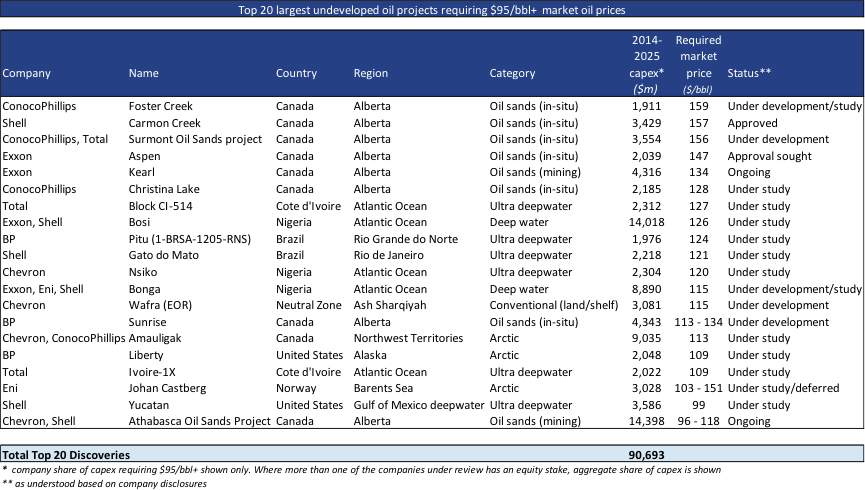
Despite the setbacks and the seeming continued domestic reliance on fossil fuels, biotechnology manufacturers say they believe that a conversion is imminent. “The bioenergy industry is constantly evolving toward the goal of completely renewable power,” said Novozymes President and CEO Peder Holk Nielsen. “ … the creation of the biobased economy [is] the only viable alternative to our current oil-based society.” In fact, if biotechnology and renewable energy efforts prevail, the Keystone Pipeline may become the “Pipeline to Nowhere.” As it now stands, current oil prices in the $50- to $70-per-barrel range, equating to $2.50 to $2.80 per gallon of gas, threaten its feasibility. “Oil sands projects often are only profitable with oil prices well above $100 per barrel. … If oil prices remain below $70 per barrel, expensive oil sands will not be sustainable, and Canada’s largest oil sands producers will most likely cut spending,” said Nick Cunningham in OilPrice.com.
More evidence of a pending paradigm shift from a fossil-fuel economy to a biobased one is apparent in the focal shift for companies normally entrenched in the petrochemical market. For example, The Gas Technology Institute, a research organization serving the U.S. natural gas industry is hosting a thermochemical biomass conversion conference in November. The group has supported natural gas extraction, including fracking. The conference, tcbiomass 2015, “brings together the world’s experts in biomass gasification, pretreatment, pyrolysis, and upgrading to explore progress in the bioeconomy,” the organization says. The institute recently opened a biorefinery pilot plant.
Ironically, the biggest threats to a biobased economy are drought and extreme weather events, which wreak havoc on crops—a condition which many attribute to excess GHG emissions and climate change.
Got thoughts? I’d love to hear from you. Reply below or [email protected]

Side by side, we move metal fabrication forward.
FMA unites thousands of metal fabrication and manufacturing professionals around a common purpose: to shape the future of our industry, and in turn shape the world.
Learn More About FMA